 02 / Who it's for
 03 / The studio
 05 / What you will get
 06 / Every session includes
01
Professional studio
A properly treated room, the same one we make records in.

A small producer program in a real studio. It doesn't matter whether you've never opened a DAW or you've got fifty half-done projects. You leave with one track that's finished, and a way of working you can repeat on your own.
There's no audition and nothing you need to know beforehand. We work with whatever level you walk in at, and the goal is the same either way: a track you're happy to play to other people, and to yourself.
You've never opened a DAW, or you opened it once and gave up. We start from the beginning, in person, with someone right there to help you and guide you through it.
You've watched the tutorials and collected the plugins, but nothing gets past eight bars. Usually that's a workflow problem, and it's fixable.
You make things but never call them done. Here you get deadlines, honest feedback, and enough studio time to push a track over the line.
This is an offline program, so the space matters as much as the teaching. Here is where you will actually be sitting.
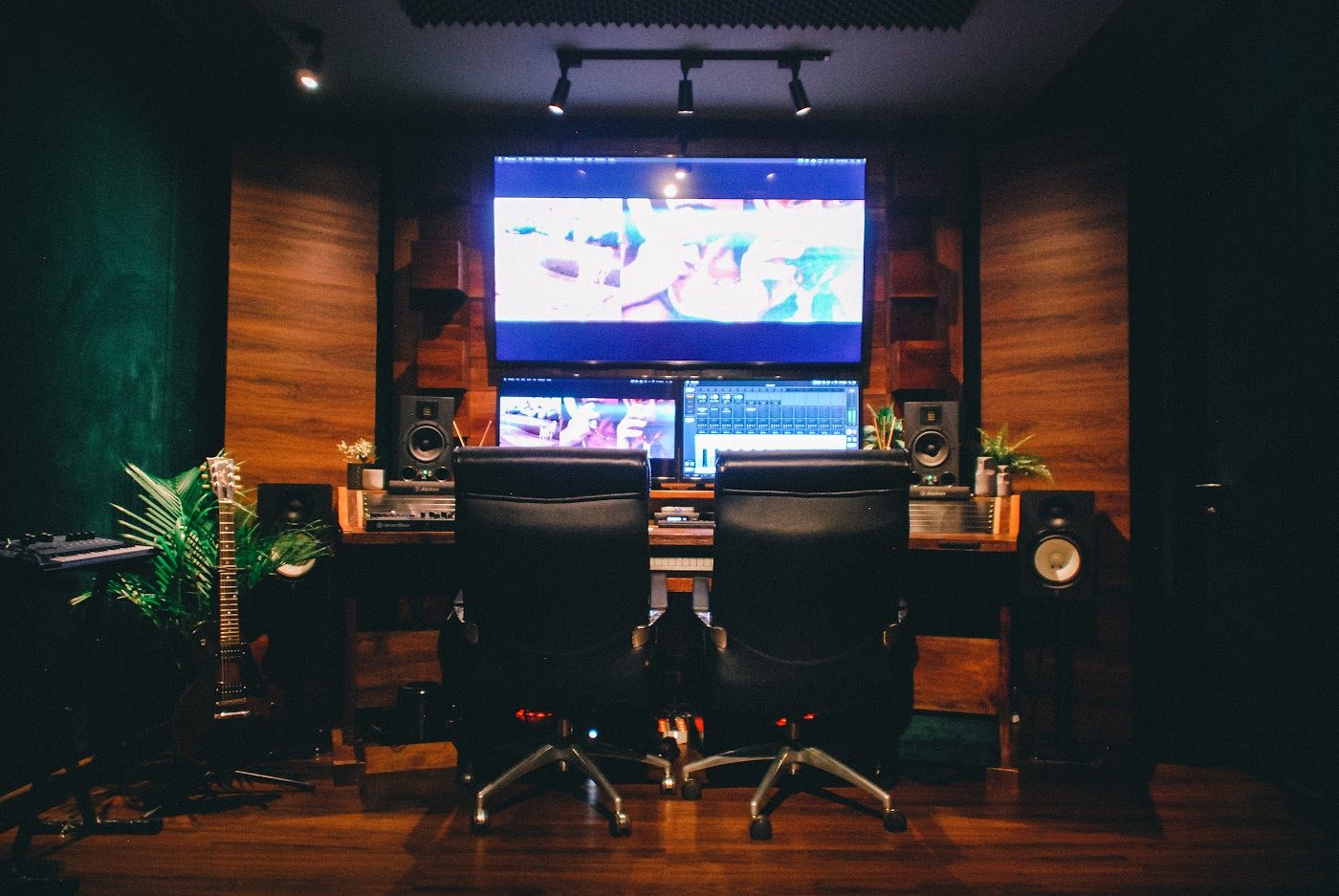 The main room
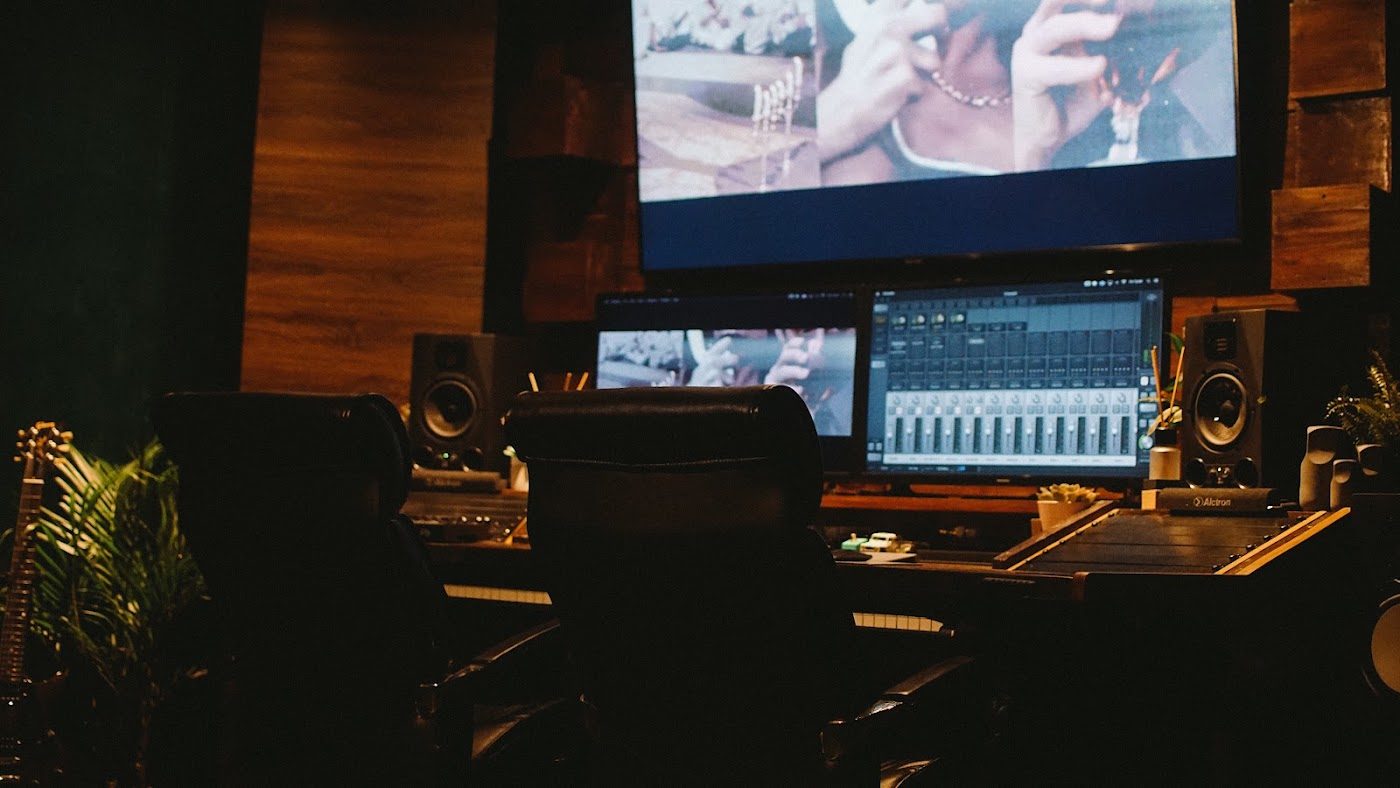 The cockpit
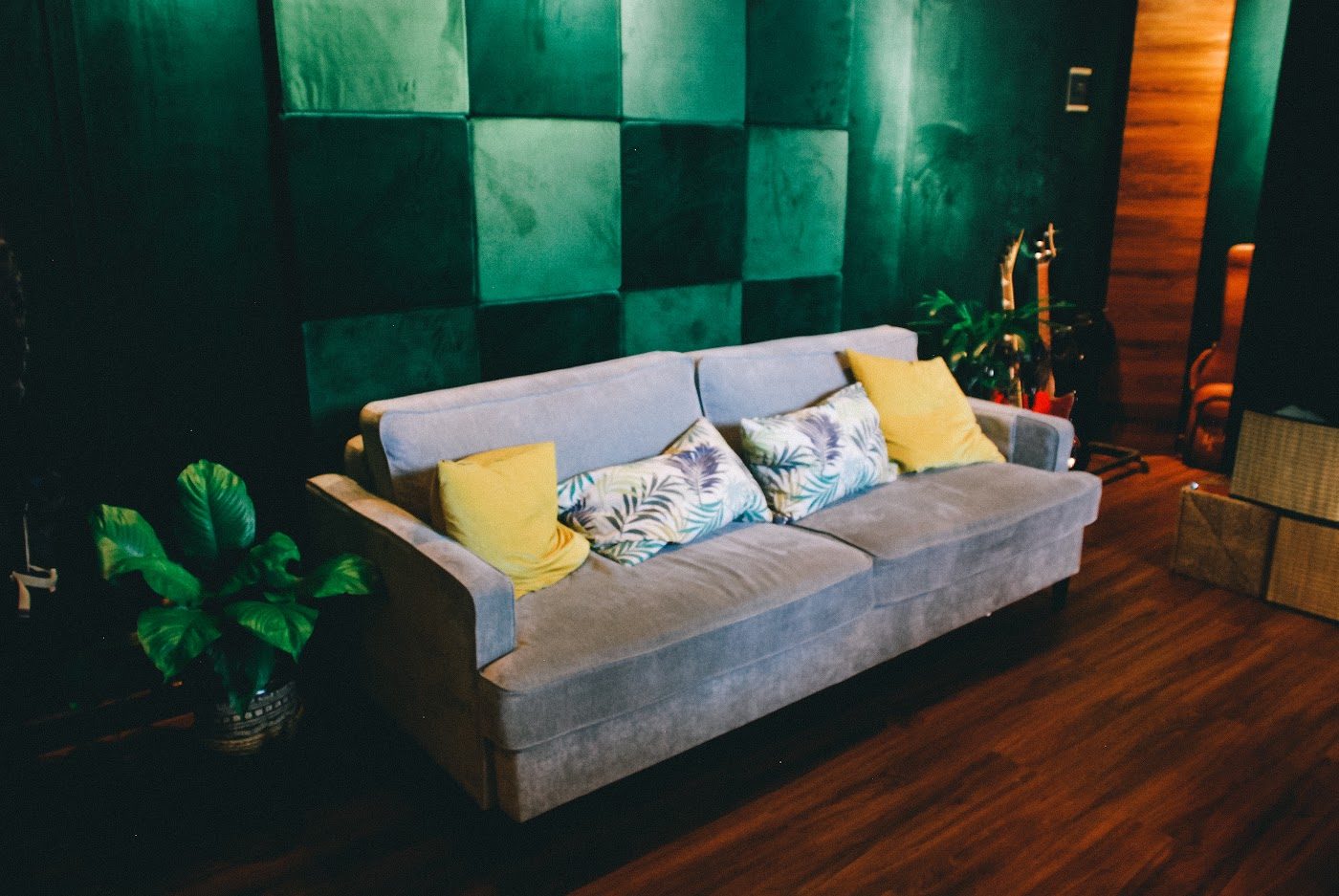 Where you sit
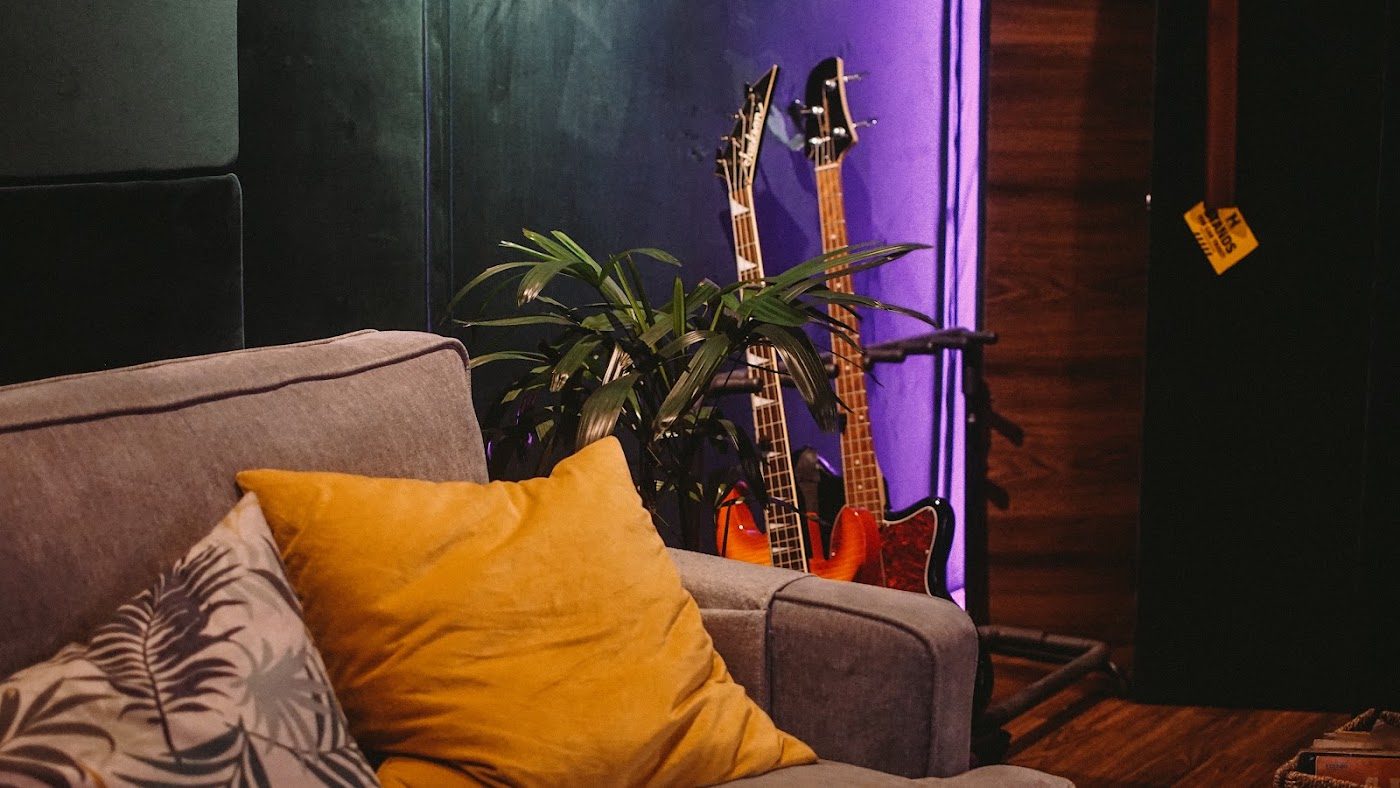 The corner
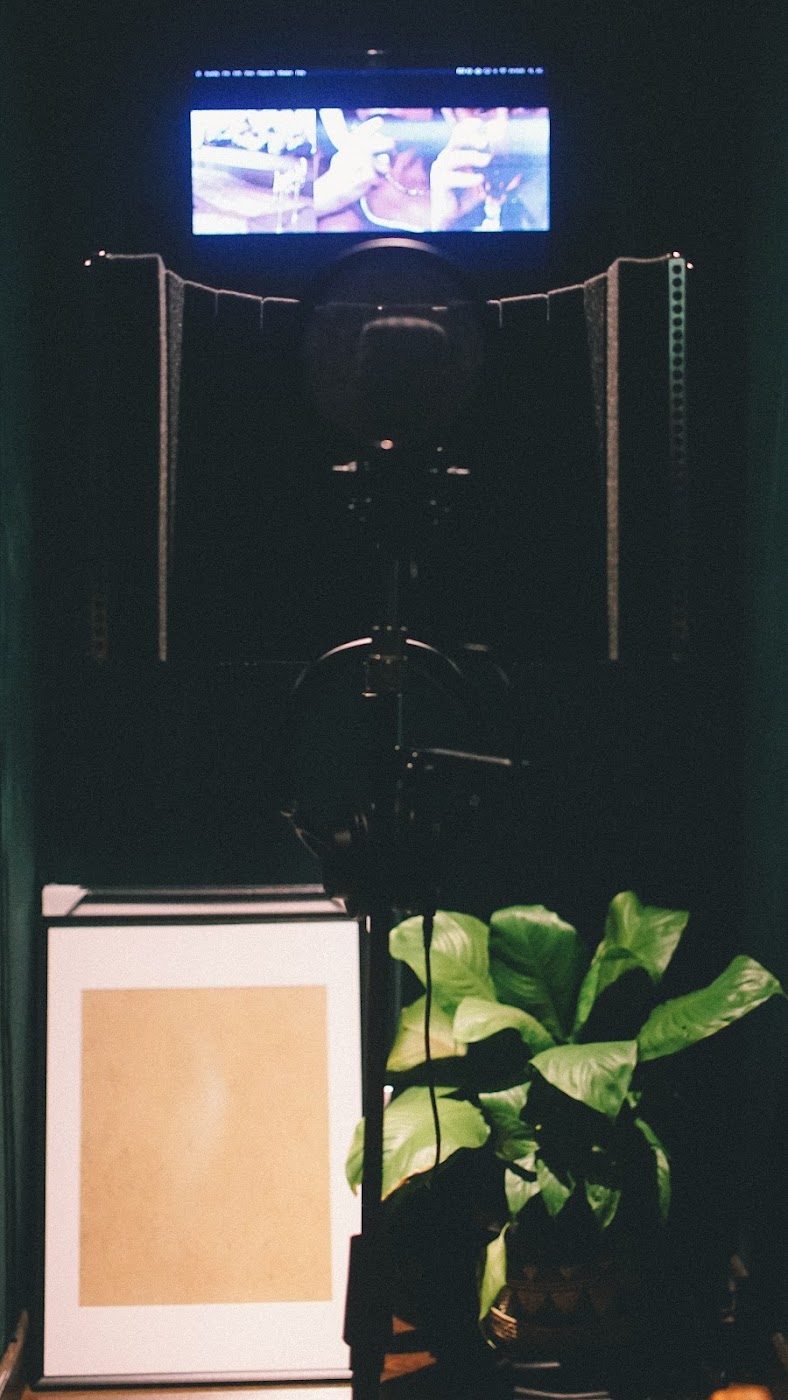 Mini live room
We start with your own relationship with electronic music and what you want from it, then the ground floor: the DAW, audio against MIDI, and where sound actually comes from.
Seven hands-on sessions. You work on your own material, on your own laptop and on whatever in the room the track needs, and you get feedback while you're working rather than in a lecture afterwards.
Everything in the program points at this: one track taken from an idea to something you can actually release. Finishing is the hardest part, so that's what the whole program is built around.
We play your work on the studio monitors for the whole group. You get specific, honest notes from people who care about the music.
When the program ends you keep access to the studio community, and you stay in touch with the producers you went through it with.
An alumni only session to keep the momentum going, with new work and new problems from everyone who has been through the program. Alumni hear about each one a week ahead.
The syllabus, session by session, taught in Ableton Live and pitched at beginner to intermediate. Every session ends with something you made, not something you watched.
The first session is mostly about you: where you are with music, what you actually want to make, and how you have been going about it. Then the ground under everything else. Ableton, audio against MIDI, where sound comes from, and how a track splits into low, mid and top. You bring a reference track and we take it apart together.
Drum programming, swing and layering, and the difference between a beat that is correct and a beat that is alive. Timing, velocity and variation, and when to humanise instead of following a formula. You leave with a sixteen bar groove built in Drum Rack.
Chords, melody and motif, then the shape that carries a listener through. Tension, release, and telling a story with an arrangement rather than a loop that repeats. You build a two to three minute structure.
How a synthesiser actually works: oscillators, filters, ADSR and LFOs. Then you use it, designing your own bass, pad, lead and textures from raw waveforms.
The frequency spectrum, and what is really happening when two sounds fight for the same space. EQ as a repair tool, EQ for character, and masking, so every element gets room of its own.
Gain staging, headroom, balance and panning, then compression, saturation, reverb and delay. The moves that turn a pile of parts into one record with depth.
Automation, creative effects, layering and sidechain. Movement, energy and dynamics, checked against professional references, until the track is finished rather than merely stopped.
Final mix review, the basics of mastering, and export settings that survive a streaming platform. Individual feedback on your own track, then one last revision before it is ready to release.
A properly treated room, the same one we make records in.
You build on your own laptop, so nothing you learn is stranded on gear you go home without. The studio's is there to reach for whenever the session calls for it.
Monitors that show you what's really in your mix. A lot of home-studio problems disappear the first time you hear them properly.
Specific notes on your own track, which is what a tutorial can't do.
Notes and resources from every session, so you can go back over things at home.
Time to use the studio and apply what you just learned while it's still fresh.
You leave with a group of producers you keep working with afterwards.
Warm light, and a space built to be sat in for hours. You are making music, not attending a class.
Tracks finished in the program, and what the people who made them said about it.
Short quote from a past participant. Two or three sentences is plenty.
The best ones name the specific thing that changed, not just that it was great.
A quote from someone who walked in as a total beginner would carry the most weight.
Records, commercial work and audio post Studiomaja has delivered since 2020. Artist names, brands or project titles they are allowed to show publicly.
Studiomaja boutique garage has two co-founders, and both of them teach. You work with them directly in every session, not with an assistant.
Co-founder of Studiomaja, working across recording, mixing and mastering since 2020. Recent credits include mastering a Logic Lost release out through Orange Cliff Records, and tracking vocals at the studio for Strange Fruit.
Co-founder, DJ and producer. He brings the club side of it: how a track actually lands on a big system, in front of a crowd.
He has done scoring work on a short film teaser, released on a few international labels plus some local ones, and continues to program and curate music across clubs, outdoor events, and independent dance floors.
Same program either way. The only difference is the price and how many of you are in the room.
Tap any button on this page and WhatsApp opens with your message ready. Tell us roughly where you are at.
A fifteen minute call to work out whether the next intake fits you, and to answer anything this page did not cover. They will tell you honestly if it does not.
Half up front holds your place, and the rest is due at the fourth session. Then you get a short questionnaire about where you are with music, what you listen to and what you want to make, so the first session starts knowing you.
Book at least two weeks before an intake starts. Half up front, half at session four.
Jl. Panjang Blok C No.7
South Jakarta 12230
Message us for the next start date and session times.
Rp 6.000.000 group of two, Rp 4.500.000 one to one
Message us and we'll send the details as soon as the next intake opens. We'll also give you an honest answer on whether the program suits where you are right now.
Message us with where you're at right now, even if that's nowhere yet. We'll give you an honest answer on whether the next intake is a good fit.
Message us on WhatsApp→ Our tracks
 07 / Who teaches
 10 / Questions